
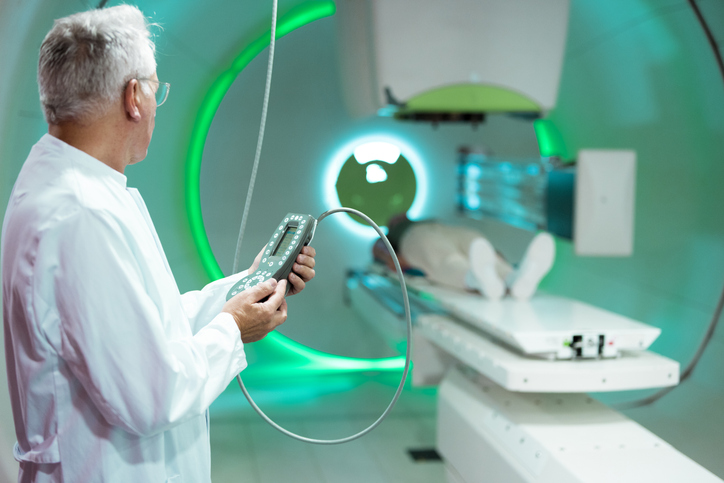
Proton therapy offers a more precise approach to radiation therapy by helping to protect vital organs like the heart and lungs. This guide explains how it works, who qualifies, potential side effects, real costs, insurance coverage, and how to access specialized care. If you were recently diagnosed or exploring advanced treatment options, we can help you find answers, resources, and support.
Proton therapy, also known as proton beam therapy, is one of the most advanced forms of radiation available today. The specialized treatment was designed to target cancer cells and limit damage to nearby healthy tissues. It is commonly used to treat brain, lung, breast, and prostate cancers, among others.
Traditional radiation therapy uses X-rays that pass entirely through the body, damaging both cancerous and healthy tissues. On the other hand, proton therapy uses particles called protons that can be directed to release energy at the tumor site, then stop before they hit surrounding organs.
The difference in radiation therapies is particularly important for mesothelioma patients whose tumors often grow close to critical organs such as the heart and lungs. While access to proton therapy remains limited to specialized treatment centers, understanding how it works, its benefits, and potential side effects can help you feel confident when creating your treatment plan.
Imagine you are a radiation beam, traveling through the body at a steady yet powerful pace. Once you reach the tumor site, you hit a sudden stop before you risk exposing nearby healthy tissues and organs. The precise stop is called the Bragg Peak, and it’s what makes proton therapy different from standard radiation.
With traditional radiation, X-ray beams continue traveling beyond the tumor. They travel all the way through the body, increasing long-term damage and side effects. Proton therapy utilizes advanced delivery techniques, such as proton beam scattering (PBS).
PBS is considered an Intensity-Modulated Proton Therapy (IMPT) is currently the most refined form of proton therapy available, allowing doctors to shape and control the radiation dose in three dimensions for the highest accuracy.
Finding a treatment that is effective and gentle on the body can make all the difference during recovery. Proton therapy offers those suffering many advantages over traditional radiation therapy, and many of these advantages have been supported by years of research and clinical studies. One of the greatest benefits of proton therapy is its precision. Doctors can now target tumors more accurately, all while delivering higher doses of radiation without sparing nearby healthy tissues. According to the National Cancer Institute, this precision allows doctors to deliver effective radiation doses while better protecting surrounding healthy tissue. For patients with compromised heart or lung function, this precision can help reduce breathing difficulties during recovery.
Another key benefit is the reduction of radiation side effects. Studies published in The Lancet Oncology and JAMA Oncology suggest that patients treated with proton beam therapy experience fewer short-term side effects than those receiving traditional radiation.
By minimizing damage to healthy tissue, proton therapy can help patients maintain a better quality of life during and after treatment. Many patients have reported fewer interruptions to daily activities and faster recovery times. While cost and limited availability can make it challenging to receive, its potential benefits make it one of the most promising treatment options available today.
There are many similarities between proton therapy and traditional radiation. Both treatments work by damaging the DNA inside cancer cells, preventing them from growing and dividing. Photons and protons are different types of radiation beams, but they both work to stop cancer cells from multiplying.
Another similarity is the treatment experience. Both radiation options deliver short, non-invasive, painless sessions that last only a few minutes. Most patients receive radiation five days a week for several weeks, allowing healthy cells to recover between sessions.
Studies show that overall survival rates for mesothelioma patients are also comparable between proton therapy and traditional radiation therapies. Understanding both the similarities and the distinctions will help you feel confident and informed when choosing what treatment plan best fits your needs.
Traditional and proton radiation therapies were both created to shrink and control tumor size, but for those with tumors near the heart and lung, the differences between the two therapies can greatly improve quality of life. These differences include:
Traditional radiation uses photons that pass through the entire body, whereas proton beam therapy uses protons that release a majority of their energy at the precise spot (the Bragg Peak) and then stop. This means that proton therapy offers less radiation exposure to nearby organs, and clinical trials are currently evaluating whether this translates to fewer long-term side effects.
Studies have shown that proton therapy can lower the amount of radiation reaching the opposite lung and the heart. Studies have shown that it can lower the amount of radiation reaching the opposite lung and the heart compared to photon-based treatments like IMRT. This means those suffering from mesothelioma who already struggle with breathing and heart function may avoid further harming these critical organs.
3. Fewer Side Effects
Many patients undergoing proton therapy experience fewer side effects compared to traditional radiation therapy due to the layer of protection it provides to nearby tissues. Side effects that patients experience are at a much lower rate than those receiving traditional therapy. These side effects include fatigue and lung inflammation.
One of the biggest challenges facing a patient considering proton therapy or traditional radiation therapy is the limited availability and high costs. Proton therapy is only offered at a few dozen centers in the U.S., so travel is often required. The cost can also be higher than standard radiation, but many patients find the benefits, like fewer side effects, worth discussing with their care team and insurance.
For those with tumors close to sensitive organs, proton therapy may be the safer and more preferred option. Its precise targeting allows doctors to focus the radiation beams where they’re needed most, all while helping protect the lungs, heart, and other vital structures.
Even though proton therapy is one of the most advanced forms of radiation treatment, it’s still important for those diagnosed with mesothelioma to understand that no form of cancer therapy is free from challenges. Proton beam therapy was designed to minimize damage to healthy tissues and reduce unwanted exposure, but side effects and limitations can still occur. Being aware of both the side effects and the disadvantages can help you make informed decisions about your care plan.
Many patients experience fewer side effects than those with traditional radiation therapy, but it’s important to note that each person’s experience is unique. Your overall health, tumor location, and other treatments influence how your body responds.
Some common short-term side effects include:
Less common but possible effects include:
Long-term side effects are rare but can include mild scarring or stiffness in the treated area. Like all radiation therapies, proton therapy carries a small risk of secondary cancers developing years later. However, studies suggest it’s lower than traditional X-ray-based radiation, although this depends on other factors like age and cancer type.
If you are currently receiving or have received proton therapy, it’s important to reach out to your oncologist if you experience a fever, new or worsening cough, chest pain, or difficulty breathing. While side effects are lower than conventional radiation, it’s important to remember that no treatment is completely free of risks. For many patients, the opportunity to reduce damage to the heart and lungs can make their treatment journey much more manageable and their recovery smoother.
While proton therapy offers many promising advantages, it’s equally important to understand its limitations and disadvantages. Knowing the disadvantages helps set realistic expectations and allows you, your family, and your care team to make informed choices on the potential benefits and the challenges of treatment.
Disadvantages of proton beam therapy include:
For those suffering from mesothelioma, precision targeting matters. Proton therapy allows doctors to target cancer cells in the chest without harming healthy nearby organs. Pleural mesothelioma forms inside the lining of the lungs, so by stopping radiation at the tumor, it can cut out exposure to the opposite lung. This approach is known as hemithoracic radiation and is a common use of proton therapy.
Doctors may use proton therapy differently at each stage of treatment, but mesothelioma patients may receive between 50 and 66 Gray Equivalents (GyE) of radiation:
Proton therapy is typically part of a multimodal approach alongside chemotherapy, surgery, and sometimes immunotherapy. However, for patients suffering from peritoneal and pericardial mesothelioma, which affects the abdomen or heart lining, radiation is rarely an option because the nearby organs are too sensitive.
Patients who recently underwent a pleurectomy/decortication can include proton therapy as an adjuvant in their treatment plan to help clean up microscopic disease particles. After an extrapleural pneumonectomy, the removal of one lung, proton beam therapy may be used to allow for a safer delivery of higher doses to the empty chest cavity.
Not every mesothelioma patient is a candidate for proton therapy, but for some patients, this treatment option can offer a safer and more targeted path forward. Eligibility typically depends on several medical and personal factors. Your care team will carefully evaluate your individual case before recommending this approach.
Candidates are typically those whose cancer is localized to one side of the chest and who can carry out daily activities with minimal assistance. Patients who have undergone surgery, such as a pleurectomy/decortication or extrapleural pneumonectomy, may also be candidates due to the protection it provides to nearby organs. Candidates must have adequate lung function since precise targeting is most effective when the patient can breathe steadily and lie comfortably during radiation treatment.
Doctors also consider logistical readiness, such as the ability to travel to specialized centers for daily treatments that may require several weeks of treatment at a time. Those with widespread tumors or significant fluid buildup are generally not suitable for proton therapy.
Before recommending a plan, patients must first complete a detailed evaluation that includes a CT and PET scan, pulmonary testing, and a multidisciplinary review. Your care team, usually made up of radiation oncologists, thoracic surgeons, and medical oncologists, works together to determine whether proton therapy fits safely into your overall care plan.
If you’re unsure whether you qualify, speak with our patient advocates or call (833) 997-1947. They can help connect you with a health professional who can assist you in coordinating alternative options, gathering your medical records, and referring you to a medical center for an individualized consultation. You don’t have to navigate these difficult decisions on your own. We are here to help guide and support you every step of your journey.
Research on proton therapy is growing rapidly, offering those suffering new hope for safer and more effective treatment options. Ongoing studies are currently investigating how proton beam therapy can enhance patient outcomes, minimize side effects, and complement other therapies, such as surgery and immunotherapy.
Current clinical trials, such as the HIT-Meso study in the U.K. and ongoing research at the University of Maryland’s Proton Treatment Center, are evaluating hemithoracic proton radiation for pleural mesothelioma. These studies hope to confirm what current research suggests: proton therapy can lower radiation exposure to the heart and lungs without compromising the treatment’s effectiveness and strength.
Many clinical trials sometimes help cover or reduce the costs of therapy, making it more accessible to patients. To find open clinical trials, visit ClinicalTrials.gov and search for “mesothelioma proton therapy.” It’s important to always consult your oncologist before signing up for a trial to determine if it is right for you and your individual case.
Hearing the cost of proton therapy can feel overwhelming, especially when you are already juggling the emotional and financial stress of a mesothelioma diagnosis. Since proton beam therapy requires highly specialized technology, this treatment is often more expensive than traditional radiation.
The total cost can range from $40,000 to $100,000, depending on the number of treatment sessions, facility fees, and additional imaging needed. Traditional advanced photon radiation, such as IMRT, typically costs $20,000 to $50,000 but may lead to additional long-term health issues. The cost breakdown includes:
If coverage is denied or partially denied, patients can seek help through clinical trials, hospital-based financial assistance programs, and nonprofit foundations such as the Patient Advocate Foundation and the HealthWell Foundation. Many proton therapy centers offer resources to assist with applications, including travel grants and reduced lodging costs.
If your mesothelioma resulted from past asbestos exposure, you may be eligible for legal compensation to cover the cost of treatment. Filing a claim or trust fund case can help cover medical bills, travel expenses, and supportive care. We can help connect you with a specialized asbestos attorney to help you understand your options and guide you through the filing process.
Finding access to proton therapy centers can feel overwhelming, but knowing where to start can make the process less stressful. Accessing therapy usually begins with a referral or self-requested consultation. During the consultation, your medical records, imaging scans, and pathology reports are reviewed to determine if proton therapy is a suitable treatment option for you. If approved, your care team will create a personalized simulation scan and treatment plan tailored to your specific needs. Once approved by your care team and insurance, therapy begins two to three weeks later and continues on a five-day plan for several weeks.
There are only a few cancer centers in the U.S. that currently offer proton beam therapy, and even fewer have teams experienced in treating mesothelioma. Choosing the right facility will help you receive advanced care and compassionate support throughout your treatment journey. Leading U.S. proton therapy centers with mesothelioma expertise include:
Most centers offer discounted hotel rates, work with nonprofit housing programs like the American Cancer Society Hope Lodge, or provide travel stipends for patients traveling from out of town. If you need help connecting with a proton therapy center, organizing your medical records, or arranging travel, our patient advocates can assist you in coordinating travel details.
The biggest downsides of proton therapy are its high cost, limited availability, and insurance approval challenges. Treatment requires daily sessions over several weeks, which can be time-intensive, especially for patients traveling far distances. While studies haven’t proven survival advantages over traditional radiation, many patients experience fewer side effects and a better quality of life.
No, proton therapy isn’t painful. You won’t feel or see radiation, but mild discomfort, such as fatigue, skin irritation, or soreness, may occur later in treatment. These effects develop gradually and can be managed with the support of your care team.
Most patients receive therapy five days a week for five to seven weeks. Each session lasts about 15 to 30 minutes.
Coverage varies by insurer and diagnosis. Medicare and some other private payers may cover proton therapy when it’s medically necessary, but mesothelioma cases often require preauthorization or submitting an appeal to be approved. Our patient advocates can assist you in submitting documentation if your coverage is denied.
There’s no single “success rate” for proton therapy because outcomes depend on stage, surgery, and overall health. Studies show that survival rates are similar to those of advanced photon radiation, but proton therapy offers clear advantages in reducing side effects and protecting lung and heart function.
Many people continue working part-time or full-time during proton therapy, especially early on in treatment. However, fatigue often builds gradually as the weeks progress, so adjusting your schedule later on in your treatment may help. Listening to your body and communicating with your employer about flexibility during your treatment can help you balance daily life tasks more easily.
You don’t have to face the financial struggles of proton therapy alone. Navigating insurance approvals, treatment costs, and travel expenses can feel overwhelming, but our patient advocates are here to help guide you every step of the way.
Our advocates can:
Don’t hesitate to reach out today, as we can help you feel confident in the financial and medical decisions you need to make.
Isabella collaborates with our patient advocacy team to educate the public about asbestos-related diseases and mesothelioma. She is dedicated to providing assistance and support to families affected by mesothelioma.
American Cancer Society. (2025). Coping With Radiation Treatment. Retrieved on November 17, 2025, from https://cancer.org/treatment/treatments-and-side-effects/treatment-types/radiation/coping.html
American Cancer Society. (2025). Radiation Therapy. Retrieved on November 17, 2025, from https://cancer.org/treatment/treatments-and-side-effects/treatment-types/radiation/what-radiation-therapy-is-how-it-helps/taking-care-of-self.html
American Cancer Society. (2025). Radiation Therapy Side Effects. Retrieved on November 17, 2025, from https://cancer.org/cancer/managing-cancer/treatment-types/radiation/effects-on-different-parts-of-body.html
JAMA. (2019). Comparative Effectiveness of Proton vs Photon Therapy as Part of Concurrent Chemoradiotherapy for Locally Advanced Cancer. Retrieved on November 17, 2025, from https://jamanetwork.com/journals/jamaoncology/fullarticle/2757520
Mayo Clinic. (2024). Radiation Therapy. Retrieved on November 17, 2025, from https://mayoclinic.org/tests-procedures/radiation-therapy/about/pac-20385162
National Cancer Institute. Is Proton Therapy Safer than Traditional Radiation? Retrieved on November 17, 2025, from https://cancer.gov/news-events/cancer-currents-blog/2020/proton-therapy-safety-versus-traditional-radiation
National Library of Medicine. (2023). Efficacy and Safety in Proton Therapy and Photon Therapy for Patients With Esophageal Cancer. Retrieved on November 17, 2025, from https://pmc.ncbi.nlm.nih.gov/articles/PMC10427943/
National Library of Medicine (2023). Proton versus photon radiation therapy: A clinical review. Retrieved on December 10, 2025, from https://pmc.ncbi.nlm.nih.gov/articles/PMC10091462/
Patient Advocate Foundation. (NA) Explore Our Resources. Retrieved on November 17, 2025, from https://patientadvocate.org/explore-our-resources/
University of Maryland. (2025). Proton Therapy for Mesothelioma. Retrieved on November 17, 2025, from https://www.umms.org/umgccc/cancer-services/cancer-types/mesothelioma/treatment/proton-therapy
JCO Oncology Practice. (2024). Proton Therapy: Current Status and Controversies. Retrieved on November 23, 2025, from http://ascopubs.org/doi/10.1200/OP.24.00132