A mesothelioma doctor is a specialist who treats mesothelioma, an aggressive cancer that affects the mesothelium and usually develops as a result of exposure to particles called asbestos. The mesothelium is a type of tissue found in several parts of your body, including the lining of the lungs (pleura), the lining of the abdomen and pelvic cavity (peritoneum), the sac surrounding the heart (pericardium), and the lining of the testes (tunica vaginalis). Mesothelioma doctors can include surgeons, oncologists, radiologists, pathologists, mesothelioma specialist nurses, and other experts in the field. Receiving care from a multidisciplinary team with expertise in treating mesothelioma may help streamline patient care and give patients access to providers who are familiar with the current treatment options and clinical trials available for mesothelioma. The types of doctors that make up your mesothelioma treatment team might differ depending on the type of mesothelioma you have, the stage and location of your disease, your overall health, and your treatment goals.
Although its incidence is increasing, mesothelioma remains a rare cancer, affecting less than 35,000 people worldwide and less than 3,000 people in the United States each year. A mesothelioma doctor is a clinician who has expertise and experience diagnosing, treating, or researching one or more types of mesothelioma.
Mesothelioma diagnosis and treatment can be complicated and draws from many different medical specialties. Mesothelioma specialists may include many different kinds of doctors, such as different types of oncologists (doctors who specialize in treating cancer), including medical oncologists, surgical oncologists, and radiation oncologists, as well as pathologists who specialize in diagnosing mesothelioma, and thoracic or pleural surgeons, who specialize in surgically treating diseases of the lungs.
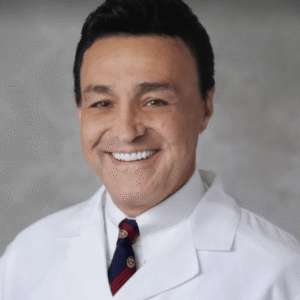
How to Find a Mesothelioma Doctor Raja Flores
Mesothelioma Specialist vs. Oncologist
An oncologist is a doctor who treats cancer. Because mesothelioma is so rare, not all oncologists are familiar with the disease and its treatments. If your local oncologist is not familiar with mesothelioma, they may consult with a specialist at a larger cancer center. Although there is no universal guideline, the United Kingdom (UK), which has the highest rate of mesothelioma in the world, defines a mesothelioma specialist as a doctor who sees more than 25 mesothelioma patients each year. Having a mesothelioma specialist on your care team helps ensure that you have access to someone who is familiar with the latest diagnostic standards and treatment options.
Pleural vs. Peritoneal Mesothelioma Doctors
The primary risk factor for mesothelioma is exposure to asbestos, a naturally occurring carcinogen (cancer-causing substance) that has been used for many different industrial applications. While many countries have now banned asbestos, it can still be found in buildings constructed before the widespread bans, and some developing countries still allow its use. Most people who are exposed to asbestos are exposed at work (occupational exposure). Other routes of exposure include secondhand exposure, such as by living with someone who works with asbestos, and environmental exposure, which can occur through handling products that contain asbestos or living in older asbestos-containing buildings or in areas where asbestos is still heavily used. Mesothelioma may appear many years or decades after asbestos exposure.
Mesothelioma can begin in various sites, including the pleura and the peritoneum. Pleural mesothelioma is the most common type, accounting for up to 90% of mesothelioma diagnoses. A pleural mesothelioma doctor specializes in diagnosing and treating this type of mesothelioma. Often, pleural mesothelioma doctors are specialists in treating thoracic (chest) conditions. Pleural mesothelioma doctors may recommend surgery, radiation, or systemic treatments, including chemotherapy, immunotherapy, and experimental drugs for treatment. Pleural mesothelioma surgeons specialize in surgeries that remove pleural tumors. Some of the most common surgical procedures for pleural mesothelioma include pleurectomy and decortication and extrapleural pneumonectomy.
A peritoneal mesothelioma doctor specializes in treating mesothelioma that begins in the peritoneum, or the lining of the abdomen. Many peritoneal mesothelioma specialists are surgical oncologists experienced in cytoreductive surgery and hyperthermic intraperitoneal chemotherapy (HIPEC), a treatment strategy that combines surgical removal of tumors where possible and “washing” the peritoneum with heated chemotherapy during that same surgery. Cytoreductive surgery + HIPEC is a mainstay of treatment for peritoneal mesothelioma.
Mesothelioma treatment is not one-size-fits-all. Mesothelioma specialists will work with you to determine the most appropriate treatment strategy for your disease, overall health, and personal goals.
How We Selected the Doctors on This Page
The doctors listed on this page were selected to provide a helpful resource for patients seeking experienced mesothelioma specialists. Selection was based on publicly available information, including each physician’s current institutional affiliation, relevant board certification, experience treating pleural or peritoneal mesothelioma, participation in multidisciplinary care, involvement in mesothelioma research or clinical trials, and evidence that the physician currently provides clinical care.
This list is not a ranking, and no single physician is best for every patient. The right doctor depends on factors such as the patient’s mesothelioma type and stage, overall health, treatment goals, location, and insurance coverage. Inclusion on this page does not constitute a medical endorsement, and patients should consult their healthcare team when choosing a specialist.
Leading Pleural Mesothelioma Doctors
Raja Flores, MD
InstitutionMount Sinai Health System
Position(s)Chairman for the Department of Thoracic Surgery; Steven and Ann Ames Professor in Thoracic Surgery
LocationNew York, NY
SpecialtyThoracic surgery
Mesothelioma typePleural mesothelioma
Clinical/research focusVideo-assisted thoracoscopic surgery (VATS) lobectomy, multimodal management of pleural mesothelioma
New-patient statusAccepting new patients
Robert Cameron, MD
InstitutionUCLA Health
Position(s)Professor of cardiothoracic surgery and surgical oncology at the David Geffen School of Medicine at UCLA; Founding Chief of the Division of Thoracic Surgery; Chief of the Division of Thoracic Surgery at the West Los Angeles VA Medical Center
LocationLos Angeles, CA
SpecialtyThoracic surgery and surgical oncology
Mesothelioma typePleural mesothelioma
Clinical/research focusSurgical management of pleural mesothelioma
New-patient statusAccepting new patients
Raphael Bueno, MD
InstitutionBrigham and Women’s Hospital
Position(s)Chief, Division of Thoracic Surgery; Co-Director, Brigham and Women’s Lung Center and the Lung Research Center; Fredric G. Levin Endowed Chair in Thoracic Surgery and Lung Cancer Research; Lawrence Harvey Cohn Professor of Surgery in the field of Cardiothoracic Surgery, Harvard Medical School
LocationBoston, MA
SpecialtyThoracic surgery
Mesothelioma typePleural mesothelioma
Clinical/research focusSurgical management of pleural mesothelioma; identification of new predictive and diagnostic markers and therapeutic targets for lung cancers
New-patient statusCall to inquire
Anne Tsao, MD, MBA
InstitutionThe University of Texas MD Anderson Cancer Center
Position(s)Director, Mesothelioma Program, Thoracic/Head and Neck Medical Oncology; Vice President, Academic Affairs, Chief Academic Office; Professor, Term-Tenure, Thoracic/Head and Neck Medical Oncology, Division of Cancer Medicine
LocationHouston, TX
SpecialtyThoracic/head & neck medical oncology
Mesothelioma typePleural mesothelioma
Clinical/research focusMedical management of pleural mesothelioma, including immunotherapy and chemotherapy
New-patient statusCall to inquire
Hedy Kindler, MD
InstitutionUniversity of Chicago Medicine
Position(s)Director, Multidisciplinary Mesothelioma Program; Professor of Medicine
LocationChicago, IL
SpecialtyHematology and Oncology
Mesothelioma typeAll types
Clinical/research focusMedical management of mesothelioma
New-patient statusCall to inquire
Farid Gharagozloo, MD
InstitutionAdventHealth Research Institute
Position(s)Surgeon
LocationOrlando, Florida
SpecialtyThoracic surgery
Mesothelioma typePleural mesothelioma
Clinical/research focusMinimally invasive thoracic surgery, including robot-assisted surgery
New-patient statusUnknown
Valerie W. Rusch, MD, FACS
InstitutionMemorial Sloan Kettering Cancer Center
Position(s)Vice Chair for Clinical Research, Department of Surgery; Miner Family Chair in Intrathoracic Cancers
LocationNew York, NY
SpecialtyThoracic surgery
Mesothelioma typePleural mesothelioma
Clinical/research focusMinimally invasive thoracic surgery, including robot-assisted surgery and video-assisted thoracic surgery (VATS)
New-patient statusCall to ask
Prasad S. Adusumilli, MD, FACS
InstitutionMemorial Sloan Kettering Cancer Center
Position(s)Co-Director, Mesothelioma Program
LocationNew York, NY
SpecialtyThoracic surgery & Cellular Therapy
Mesothelioma typeAll types
Clinical/research focusThoracic surgery
New-patient statusCall to ask
James M. Isbell, MD, MSCI
InstitutionMemorial Sloan Kettering Cancer Center
Position(s)Director, Quality and Outcomes, Thoracic Surgery Service; Director, Memorial Hospital Step Down Unit; Co-Director, Thoracic Liquid Biopsy Program
LocationNew York, NY
SpecialtyThoracic surgery
Mesothelioma typePleural mesothelioma
Clinical/research focusThoracic surgery
New-patient statusCall to ask
Daniela Molena, MD
InstitutionMemorial Sloan Kettering Cancer Center
Position(s)Director, Esophageal Surgery Program
LocationNew York, NY
SpecialtyThoracic surgery
Mesothelioma typePleural mesothelioma
Clinical/research focusThoracic surgery
New-patient statusCall to ask
Michael D. Offin, MD
InstitutionMemorial Sloan Kettering Cancer Center
Position(s)Co-Director, Mesothelioma Program
LocationNew York, NY
SpecialtyThoracic medical oncologist
Mesothelioma typeAll types
Clinical/research focusMedical management of pleural mesothelioma, including targeted therapies
New-patient statusCall to ask
Keith Cengel, MD, PhD
InstitutionPenn Medicine
Position(s)Executive Director, Penn Mesothelioma and Pleural Diseases Program
LocationPhiladelphia, PA
SpecialtyRadiation oncologist
Mesothelioma typePleural mesothelioma
Clinical/research focusRadiation therapy for mesothelioma; proton therapy
New-patient statusCall to ask
Andrea Wolf, MD
InstitutionMount Sinai
Position(s)Director of the New York Mesothelioma Program
LocationNew York, NY
SpecialtyThoracic surgery
Mesothelioma typePleural mesothelioma
Clinical/research focusSurgical management of pleural mesothelioma
New-patient statusAccepting new patients
Call for a free case evaluation to learn more about your legal rights and all potential compensation options available to you.
InstitutionUniversity of Texas MD Anderson Cancer Center
Position(s)Professor of Surgical Oncology
LocationHouston, TX
SpecialtySurgical oncology
Mesothelioma typePeritoneal mesothelioma
Clinical/research focusClinical management of peritoneal surface malignancies; HIPEC
New-patient statusCall to ask
H. Richard Alexander, MD, FACS
InstitutionRutgers Cancer Institute
Position(s)Chief Surgical Officer; Chief, Surgical Oncology, Rutgers Cancer Institute; System Director of Surgical Oncology, RWJBarnabas Health; Surgeon-in-Chief of the Jack & Sheryl Morris Cancer Center
LocationNew Brunswick, NJ
SpecialtySurgical Oncology
Mesothelioma typePeritoneal mesothelioma
Clinical/research focusSurgical management of peritoneal surface malignancies, including peritoneal mesothelioma
New-patient statusCall to ask
Edward A. Levine, MD
InstitutionAtrium Health Wake Forest Baptist Surgical Oncology – Cancer Center
InstitutionSmilow Cancer Hospital at Yale New Haven
Position(s)Chief of Surgical Oncology
LocationNew Haven, CT
SpecialtySurgical oncology
Mesothelioma typePeritoneal mesothelioma
Clinical/research focusSurgical management of peritoneal mesothelioma; prognostic biomarkers and novel treatment options for peritoneal mesothelioma
New-patient statusAccepting new patients
Chukwuemeka Ihemelandu, MBBS, MD
InstitutionMedStar Washington Hospital Center
Position(s)Attending surgeon; Professor of Surgical Oncology at Georgetown University Medical School
LocationWashington, DC
SpecialtySurgical oncology
Mesothelioma typePeritoneal mesothelioma
Clinical/research focusSurgical management of abdominal cancers, including peritoneal mesothelioma; cytoreductive surgery and HIPEC
New-patient statusCall to ask
Jonathan C. King, MD
InstitutionUCLA Health
Position(s)Assistant Professor in the Division of General Surgery
LocationSanta Monica, CA
SpecialtySurgical oncology
Mesothelioma typePeritoneal mesothelioma
Clinical/research focusSurgical management of peritoneal malignancies; HIPEC
New-patient statusAccepting new patients
Why Mesothelioma Experience Matters
Mesothelioma is a rare, complex, and serious disease. Definitive diagnosis often requires expert evaluation, and management often involves many aspects of oncology care, including surgery, radiation, and medical management. Experts recommend that mesothelioma care be overseen by multidisciplinary teams that include mesothelioma specialists who have previous experience diagnosing and treating the disease. Multidisciplinary care improves coordination between care providers and facilitates dialogue between specialties and second opinions when necessary. In addition, seeking care from mesothelioma experts familiar with modern research and treatment helps ensure that patients receive individualized and specialized care in line with the latest clinical guidelines for mesothelioma and have access to ongoing clinical trials when appropriate.
How to Choose the Best Mesothelioma Doctor for You
Choosing the best mesothelioma doctor can be easier when you know what to consider. You can use various tools to evaluate their experience, and if their approach mirrors what you’re looking for, you can research their background and ask them about their experience treating mesothelioma.
Some factors to consider as you evaluate a mesothelioma doctor include:
Experience with the type and stage of mesothelioma that you have been diagnosed with
Whether they participate in multidisciplinary review panels (sometimes called “tumor boards”), how often those teams meet, and what other specialists are included
What types of treatment they specialize in and whether they align with any treatment recommendations you have received
Whether they are involved in, or have access to, mesothelioma clinical trials
Options for second opinions
Their communication style and bedside manner
In addition to medical expertise, you may want to consider logistical concerns such as:
Whether they are currently accepting new patients
Their schedule and appointment availability
Insurance and referral requirements
Travel and lodging
Whether they’re open to coordination with a local oncologist, especially if you live far away from their practice
Finding a Mesothelioma Specialist Near You
Most mesothelioma specialists are at large medical centers, so the nearest mesothelioma doctor with relevant experience for your diagnosis may not be local to your area. However, many specialists are willing to consult with local oncologists, which may allow you to receive some or all of your treatment closer to home.
Finding the right mesothelioma specialist can make a dramatic difference in your care. Look for specialists with direct, recent experience with your diagnosis whose approach matches your treatment goals. You may also want to consider their insurance acceptance policies, location, and how often you will be able to travel to see them.
Questions to Ask a Mesothelioma Doctor
No single doctor is the best for every patient or every situation. As you’re comparing mesothelioma doctors, you may want to ask questions like:
How many mesothelioma patients have you treated? How many do you usually see in a year?
What’s your treatment philosophy for mesothelioma patients?
Are you involved in mesothelioma research or clinical trials?
Do you participate in multidisciplinary team meetings to discuss mesothelioma cases (“tumor boards”)? How often do those groups meet?
Where are you located?
Are you willing to consult or collaborate with an oncologist closer to my home?
Are you currently accepting new patients?
How often do you like to see your patients for follow-up care? Are virtual visits (telemedicine) an option?
What insurance do you accept, and what are your referral requirements?
Get Help Connecting with a Mesothelioma Doctor
Getting a mesothelioma diagnosis and beginning the search for a mesothelioma doctor can be overwhelming. Mesothelioma Hub offers several resources to help you connect with the right mesothelioma specialist for you. Check out our patient resources, including:
Frequently Asked Questions About Mesothelioma Doctors
What type of doctor treats mesothelioma?
Many doctors who treat mesothelioma are oncologists (cancer doctors). There are many types of oncologists, including surgical oncologists, medical oncologists, and radiation oncologists. Other types of doctors who may diagnose or treat mesothelioma include thoracic (chest) surgeons and pathologists (who specialize in evaluating tissue).
What is the difference between an oncologist and a mesothelioma specialist?
An oncologist is a doctor who specializes in treating cancer. A general oncologist may or may not have experience treating mesothelioma. A mesothelioma specialist is a doctor (often an oncologist) who has experience diagnosing and treating mesothelioma. Some mesothelioma specialists also participate in research or clinical trials about mesothelioma.
Who is the best mesothelioma doctor?
There is no single “best” mesothelioma doctor. The best doctor for you will depend on your diagnosis, stage, treatment preferences, location, and other variables. There are many mesothelioma experts at medical centers throughout the United States. Check out some of our recommended providers here.
Should I get a second opinion?
Mesothelioma can be difficult to definitively diagnose. If you have questions about your diagnosis or recommended treatment, seeking a second opinion may help clarify your options. Consider talking with your doctor about options for a second opinion, or reaching out to a mesothelioma expert.
If you suspect that you’ve been exposed to asbestos, let your doctor know right away. Your primary care doctor can help coordinate a referral to a mesothelioma specialist if necessary. Our free resource guide describes steps you can take after asbestos exposure.
Disclaimer: The medical professionals and healthcare institutions listed on this page have no financial relationship or business affiliation with Mesothelioma Hub or its affiliated organizations. These resources are provided for educational and informational purposes only to help patients make informed healthcare decisions.
Author Madeline May
Madeline May is a content specialist with more than five years of writing experience. She creates and reviews accurate, helpful content for patients and families affected by lung cancer and mesothelioma, with a focus on making complex topics clear, accessible, and easy to understand.
Madeline holds a Bachelor of Business Administration with a specialization in marketing from Southern Illinois University Edwardsville. Her background in marketing and content development helps her create informative online resources that address readers’ questions and needs.
Sources
Asciak, R., George, V., & Rahman, N. M. (2021). Update on biology and management of mesothelioma. European Respiratory Review, 30(159), Article 200226. https://doi.org/10.1183/16000617.0226-2020
Enomoto, L. M., Shen, P., Levine, E. A., & Votanopoulos, K. I. (2019). Cytoreductive surgery with hyperthermic intraperitoneal chemotherapy for peritoneal mesothelioma: Patient selection and special considerations. Cancer Management and Research, 11, 4231–4241. https://doi.org/10.2147/CMAR.S170300
Harden, S. V., Darlison, L., Beckett, P., & Bibby, A. C. (2020). Standards of care in mesothelioma treatment. British Journal of Cancer, 123, 1588–1589. https://doi.org/10.1038/s41416-020-01078-y
Kuroda, A. (2021). Recent progress and perspectives on the mechanisms underlying asbestos toxicity. Genes and Environment, 43, Article 46. https://doi.org/10.1186/s41021-021-00215-0
Kurth, L., Mazurek, J. M., & Blackley, D. J. (2023). Malignant mesothelioma among US Medicare beneficiaries: Incidence, prevalence and therapy, 2016–2019. Occupational and Environmental Medicine, 80(2), 86–92. https://doi.org/10.1136/oemed-2022-108706
Noonan, C. W. (2017). Environmental asbestos exposure and risk of mesothelioma. Annals of Translational Medicine, 5(11), Article 234. https://doi.org/10.21037/atm.2017.03.74
Zhai, Z., Ruan, J., Zheng, Y., Xiang, D., Li, N., Hu, J., Shen, J., Deng, Y., Yao, J., Zhao, P., Wang, S., Yang, S., Zhou, L., Wu, Y., Xu, P., Lyu, L., Lyu, J., Bergan, R., . . . Dai, Z. (2021). Assessment of global trends in the diagnosis of mesothelioma from 1990 to 2017. JAMA Network Open, 4(8), Article e2120360. https://doi.org/10.1001/jamanetworkopen.2021.20360